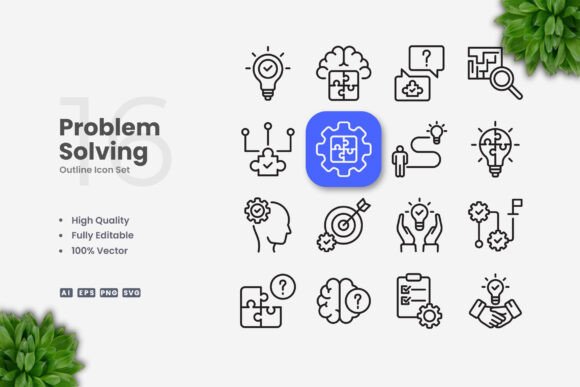
Problem Solving Icons
As an embroidery designer and product reviewer, I often look for icons that are both functional and versatile. Problem Solving Icons fit the bill with their simple and clean design. These graphics are perfect for a wide range of projects, from digital mockups to physical embroidery work. But how do they hold up in real-world use? Let’s break it down.
First Impressions: A Design That Speaks Clearly
The first thing that stands out about Problem Solving Icons is their clarity. The shapes are straightforward, with no unnecessary embellishments. This makes them ideal for embroidery where detail can be lost in stitch density or fabric texture. The visual personality is professional yet approachable, which aligns well with the needs of small business owners and crafters looking for reliable design assets.
The layout is balanced, making it easy to scale without losing definition. Whether you're working on a tote bag design or a baby onesie, these icons maintain their integrity. They feel like they belong in a modern, minimalist aesthetic—perfect for tech startups, educational materials, or eco-friendly brands.
Real-World Embroidery Use Cases
When I tested Problem Solving Icons on a custom sweatshirt embroidery project, the results were promising. The icon set worked well with satin stitch and fill stitch, maintaining sharp edges even at smaller sizes. For a handmade product like a personalized gift, the design added a touch of sophistication without overwhelming the overall look.
These icons also excel in commercial embroidery settings. As an Etsy seller, I found them useful for creating printable mockups and digital product previews. Their simplicity means they can be easily adapted to different thread colors and fabric types, making them a flexible choice for any craft business.
For baby items, the clean lines of Problem Solving Icons make them safe and visually appealing. They’re not too detailed, which is important when working with delicate fabrics or small hoop sizes. Whether it's a onesie or a nursery decor piece, these icons add a subtle but meaningful touch.
Where to Be Cautious
While Problem Solving Icons are versatile, there are some situations where they may not perform as well. On textured fabrics or thin materials, the details can become less defined. If you're working with stretchy fabric, the design might shift slightly during stitching, so using the right stabilizer is key.
On dark fabrics, the contrast might be less noticeable unless you choose a bold thread color. For curved surfaces like caps or hoods, the design could appear distorted if not properly adjusted. Small hoop sizes may limit the complexity of the design, so testing on scrap fabric before committing to a project is always a good idea.
When used as decorative accents, the icons work best when paired with other elements. They’re not ideal for dense stitch areas or products that require frequent washing, as the stitches may wear over time. Always check the licensing terms before selling finished items or digital products.
Impact on Visual Appeal and Customer Trust
Problem Solving Icons enhance the visual appeal of any embroidered item. Their clean lines and minimalistic style contribute to a polished look that appeals to a broad audience. For handmade products, this level of professionalism can make a big difference in customer perception.
When used in personalized gifts or custom apparel, these icons help build brand consistency. They’re especially effective for businesses that want to maintain a cohesive visual identity across different mediums. Whether it's a holiday gift or a boutique product, the design adds value and recognition.
From a buyer engagement standpoint, these icons are easy to understand and recognize. They work well in both digital and physical formats, making them a great choice for printables, social media content, and marketing materials. Their simplicity ensures that they don’t distract from the main message or product.
Practical Tips for Embroidery Designers
Before using Problem Solving Icons in your next project, here are a few things to keep in mind:
- Test the design on scrap fabric to see how it looks with your chosen thread colors and fabric type.
- Review the stitch density to ensure it matches your project’s requirements.
- Confirm the hoop size needed for your machine to avoid resizing issues.
- Inspect small details to make sure they remain visible after stitching.
- Try the design in black and white mockups to assess its versatility.
- Compare it against light and dark fabric backgrounds to determine the best contrast.
- Use the proper stabilizer for the fabric you're working with.
- Check whether the design works for both personal and commercial use.
- Always confirm the licensing terms before selling finished items or digital products.
Problem Solving Icons are a solid choice for anyone looking to add practical, stylish design elements to their embroidery projects. With the right approach, they can elevate everything from a simple tote bag design to a high-end boutique product. Whether you're an Etsy seller, a craft business owner, or a creative entrepreneur, these icons offer a reliable foundation for your next embroidered creation.